
News
Who Can be a DOT SAP?
A top priority of the U.S. Department of Transportation is safety. To maintain safety, it is required that DOT mandated safety-sensitive employees refrain from using

A top priority of the U.S. Department of Transportation is safety. To maintain safety, it is required that DOT mandated safety-sensitive employees refrain from using

Safety-sensitive employees working under any of the modes overseen by the Department of Transportation provide vital services. That’s why they are obliged to maintain a

After an alcohol-related incident killed several people on a New York City subway, Congress responded with the Omnibus Transportation Employee Testing Act of 1991. This
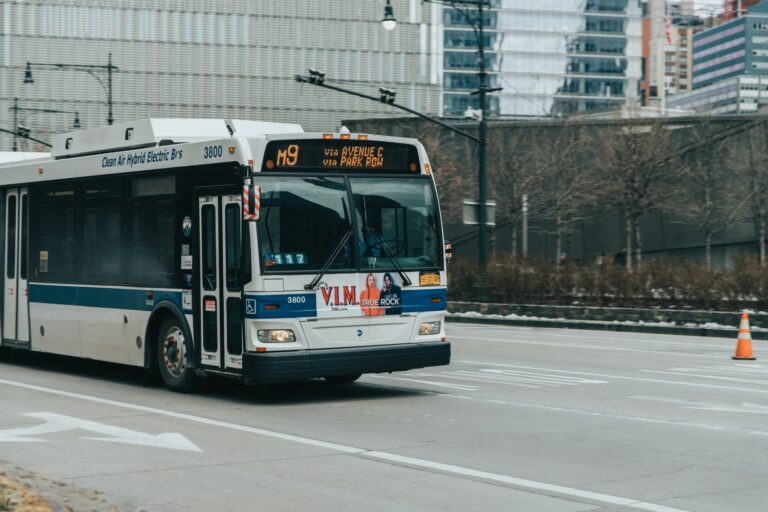
DOT mandated safety-sensitive employees work across all DOT modes. You may drive a truck or bus, fly an airplane, operate a train, or transport hazardous

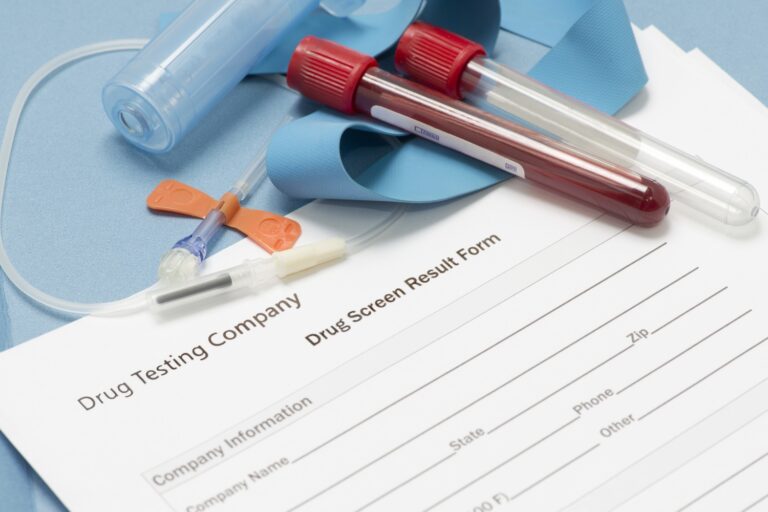
The DOT pre employment drug test is regulated by the Department of Transportation. It was created to ensure those working in the transportation industry are
Ever since the introduction of the 1991 Omnibus Transportation Employee Testing Act, FMCSA mandated safety-sensitive employees have been subject to drug and alcohol testing. These
The Department of Transportation (DOT) requires safety-sensitive employees to adhere to drug and alcohol testing. The drug and alcohol policy includes rules outlining which employees

The FMCSA Drug and Alcohol Clearinghouse was created by the Secretary of Transportation, under the direct order of Congress, to improve roadway safety. This online
Supervisors of DOT mandated safety-sensitive employees must adhere to a high level of employee monitoring. Employers are legally required to follow drug and alcohol protocols
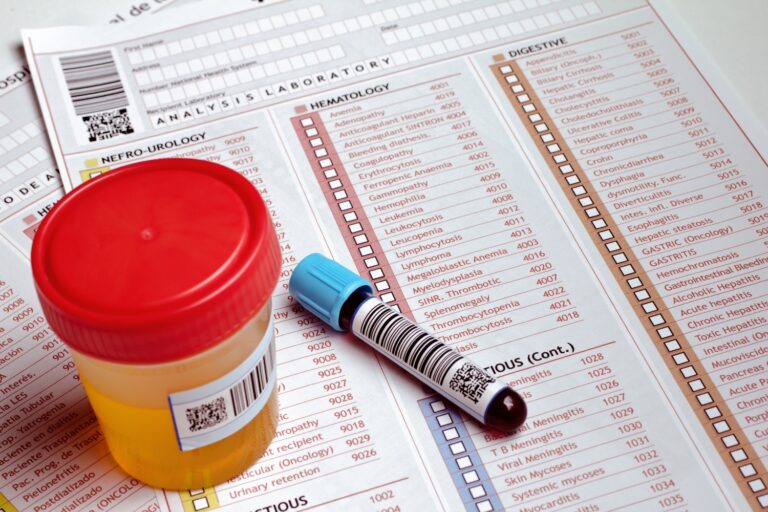
The Omnibus Transportation Employee Testing Act of 1991 was passed to ensure that transportation employees maintain a safe drug and alcohol-free environment for themselves, their